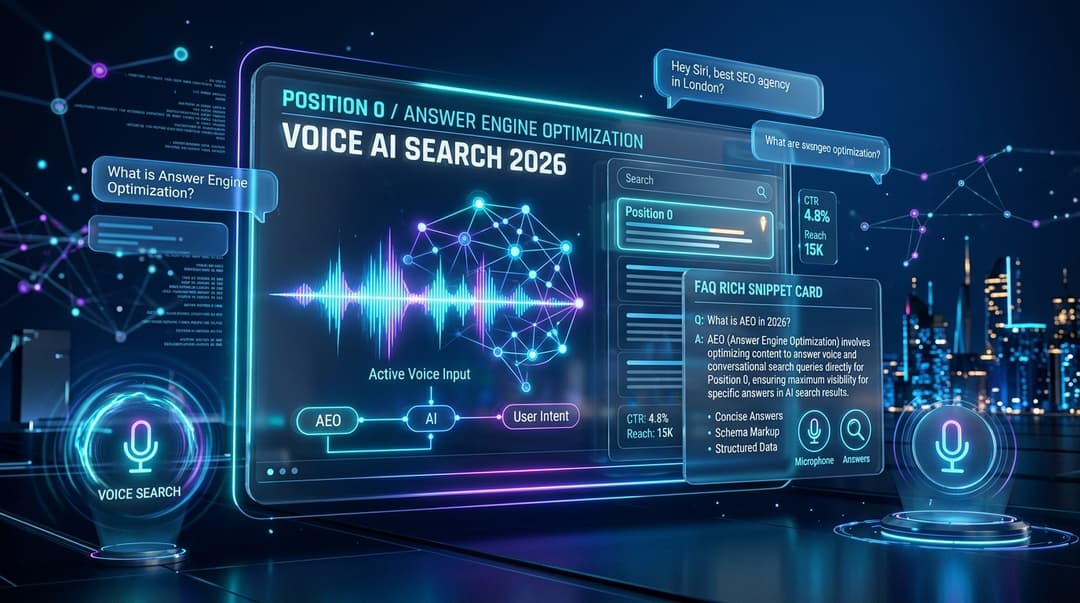
Key Takeaway
The definitive 2026 guide to Generative Engine Optimization (GEO). Master how large language models (LLMs) select sources for Google AI Overviews, Perplexity AI, and ChatGPT search, and how to structure your entities for top-tier citation visibility.
The Search Paradigm Shift: From 10 Blue Links to Generative Answers
Search is experiencing its most radical evolution in over two decades. With the widespread integration of Google AI Overviews (formerly SGE), ChatGPT Search, Perplexity AI, and Claude, organic search results are no longer just a list of ten blue links. They are AI-synthesized, multi-source answers designed to satisfy complex search queries instantly.
To win visibility today, brands must expand their strategy from traditional keyword ranking to Generative Engine Optimization (GEO) and Answer Engine Optimization (AEO).
💡 What is Generative Engine Optimization (GEO)?
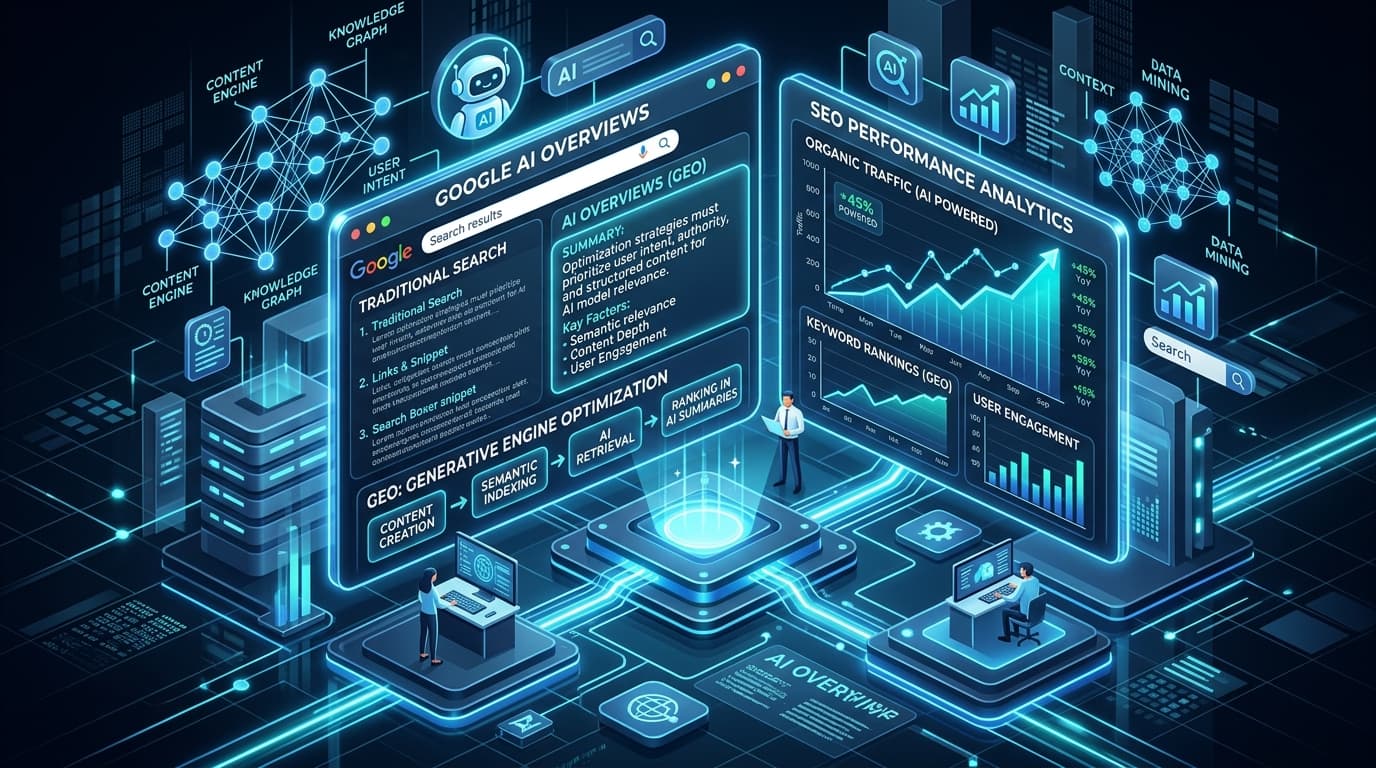
GEO is the practice of structuring digital content, entity relationships, and technical metadata so that AI synthesis engines and Large Language Models (LLMs) reliably extract, summarize, and cite your brand as an authoritative primary source.
How Large Language Models (LLMs) Select Sources for AI Citations
Generative search engines do not read the web the same way traditional crawlers do. They rely on Retrieval-Augmented Generation (RAG) and semantic vector databases to find the most accurate, concise, and trustworthy passages:
- Vector Semantic Proximity: AI models convert user queries into vector embeddings and search for content blocks with the highest semantic overlap.
- Information Gain Score: Algorithms prioritize content that introduces novel data points, primary research, or fresh perspectives rather than repeating generic copy.
- Entity Authority (E-E-A-T): The model verifies whether the author and brand possess demonstrable Experience, Expertise, Authoritativeness, and Trustworthiness within the topic cluster.
The 5 Pillars of a High-Impact GEO Strategy
1. Direct Answer Formatting (The First 150 Words Rule)
AI bots prioritize modular, self-contained paragraphs that immediately answer the core query before expanding into nuances. Structure your primary subheadings with a direct 40–60 word answer definition, followed by bulleted steps and supporting data. Review our framework in the AEO Optimization Blueprint.
2. Structured Entity Modeling & JSON-LD Schema Graphs
LLMs rely on structured knowledge graphs to resolve ambiguities. Implementing nested JSON-LD Schema Markup (such as TechArticle, FAQPage, HowTo, and Organization with sameAs entity links) provides explicit semantic context that AI parsers can ingest friction-free.
3. Original Statistics, Benchmarks & Primary Case Studies
Generic regurgitated content receives low information gain scores. AI Overviews frequently cite proprietary benchmarks, client case study metrics (like our 809K Clicks SEO Case Study), and survey results because they represent unique training signals.
4. Semantic Topic Clustering & Silo Architecture
Single isolated blog posts rarely win generative citations. Build comprehensive topic clusters where foundational cornerstone guides link dynamically to granular sub-topics, establishing topical monopoly across the entire subject matter. Our specialized GEO Services in Bangladesh engineer complete entity graphs for brands.
5. Multimodal Clarity (Tables, Bulleted Lists & Infographics)
Generative algorithms excel at parsing comparison tables, ordered workflow steps, and structured lists. Organizing complex data into clean HTML tables dramatically increases your probability of being featured in AI summary cards.
Traditional SEO vs. Generative Engine Optimization (GEO)
| Optimization Dimension |
Traditional SEO |
Generative Engine Optimization (GEO) |
| Primary Target |
10 Blue Links & Featured Snippets |
AI Overviews, ChatGPT & Perplexity Citations |
| Keyword Strategy |
Exact match & long-tail search volume |
Semantic vectors & conversational intent clusters |
| Content Architecture |
Comprehensive long-form articles |
Modular answer blocks & high Information Gain |
| Technical Requirement |
Crawlability, Speed, Canonicalization |
Structured JSON-LD Graphs & Clean Vector Parsing |
Step-by-Step Implementation Blueprint for Your Website
- Audit Existing Rankings: Identify commercial queries where AI Overviews are currently triggered and evaluate which competitor domains are being cited.
- Run a Technical Health Audit: Test your crawl headers with our HTTP Header & SSL Checker and audit on-page tags with our Free Deep SEO Audit Tool.
- Inject Structured JSON-LD Data: Ensure every critical landing page contains rich structured entity schemas.
- Check Related Guidance: Read our comprehensive breakdown on AI Search Dominance in 2026.
- Build Cross-Platform Brand Authority: Earn editorial mentions on trusted industry publications to strengthen your digital entity footprint in Google's Knowledge Graph.

Abdullah Saleh
Lead SEO Strategist & Organic Growth Architect
Abdullah Saleh is an Organic Business Growth Specialist and Technical SEO Expert helping brands dominate Google search and Generative AI engines with modern data-driven methodologies.

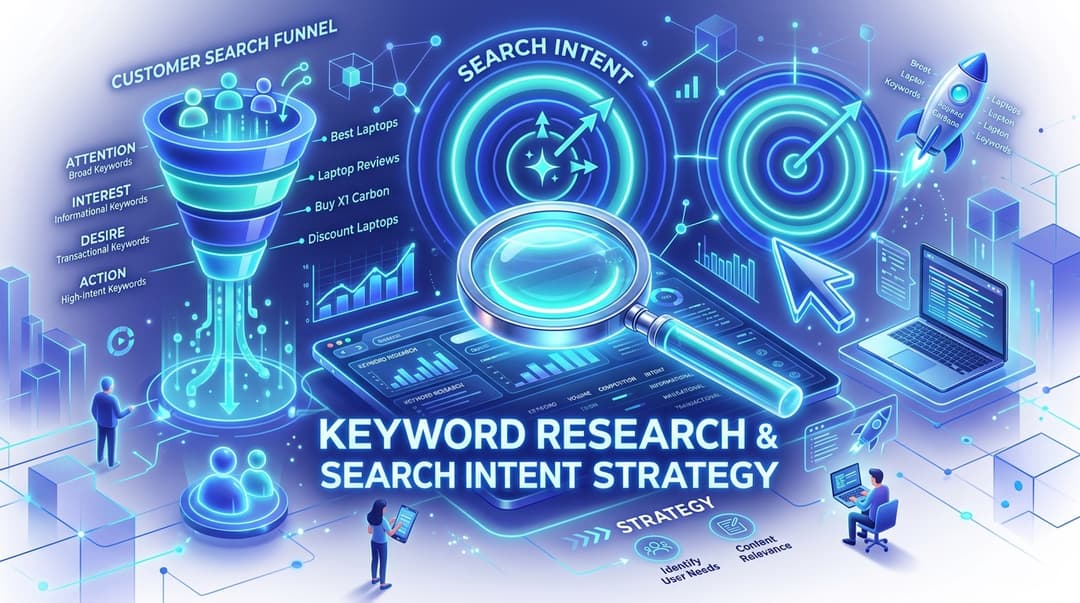 Keyword Strategy